Polished Concrete Floors: A Revolution in Marble Falls
Introduction
Welcome to an in-depth exploration of a remarkable flooring innovation that has transformed the architectural landscape—Polished Concrete Floors in Marble Falls. This article aims to guide readers through the intricate world of concrete polishing, its global impact, and its evolving role in shaping urban environments. Marble Falls, with its rich history and vibrant community, serves as an ideal backdrop to understand how this modern flooring technique has become a game-changer for cities worldwide.
In the following sections, we will uncover the art and science behind polished concrete floors, delve into their historical roots, and explore the myriad benefits they offer. From economic considerations and technological advancements to policy implications and real-world case studies, this comprehensive guide promises to shed light on every aspect of this revolutionary flooring solution.
Understanding Polished Concrete Floors: A Modern Aesthetic
Definition:
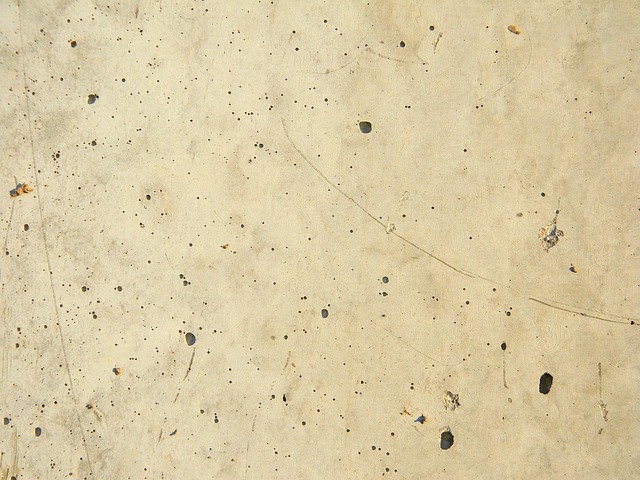
Polished concrete floors refer to a sophisticated flooring finish achieved through a series of mechanical and chemical processes applied to concrete surfaces. This process reveals the natural beauty and strength of concrete, creating a smooth, lustrous, and durable surface.
Core Components:
- Concrete Substrate: The foundation lies in a robust concrete base, typically made from cement, aggregate (such as gravel or sand), water, and sometimes admixtures to enhance properties.
- Abrasive Polishing: Specially designed floor polishers equipped with abrasive discs or pads grind and buff the concrete surface, gradually revealing its inner beauty.
- Chemical Hardeners: Post-polishing, chemical hardeners are applied to further enhance durability and create a protective layer. These chemicals fill microscopic pores, improving resistance to stains and wear.
- Sealing: A final sealing step locks in the polish and protects against moisture, making the floor waterproof and easy to maintain.
Historical Context:
The concept of polished concrete floors dates back centuries, with ancient Roman and Egyptian civilizations utilizing a primitive form of polishing on stone structures. However, it was during the industrial revolution that concrete became a prevalent building material, leading to the development of more advanced polishing techniques in the 20th century. Modern polished concrete flooring gained popularity in the late 1980s and 1990s, with architects and designers embracing its raw, industrial aesthetic.
Significance:
Polished concrete floors offer a sustainable, durable, and cost-effective alternative to traditional flooring materials like wood or tile. Its versatility allows for creative design possibilities, from sleek modern interiors to historic building renovations. This flooring option is particularly appealing in high-traffic areas due to its exceptional durability and low maintenance requirements.
Global Impact and Trends
International Influence:
Polished concrete floors have transcended national borders, becoming a global phenomenon. Its popularity has spread across Europe, North America, Asia, and Australia, each region adding its unique twist to this flooring style. For instance, the use of polished concrete in luxurious homes and commercial spaces is more prevalent in North America, while Europe embraces it for both residential and industrial applications.
Key Global Trends:
- Sustainability Focus: As environmental consciousness grows, many countries are embracing polished concrete for its eco-friendly attributes, including the use of locally sourced materials and minimal waste during installation.
- Mixing Traditional and Modern: Global trends showcase a fusion of traditional architecture with modern polished concrete floors, creating unique and visually appealing spaces.
- Specialized Techniques: Advanced polishing techniques, such as diamond grinding and chemical etching, are being explored to achieve intricate designs and textures worldwide.
Regional Variations:
- Europe: Known for its rich architectural heritage, Europe has embraced polished concrete in historic buildings, where it reveals the structure's original character while providing modern amenities.
- North America: The North American market showcases a wide range of applications, from minimalist urban lofts to grand commercial spaces, often incorporating state-of-the-art polishing equipment.
- Asia: In Asia, polished concrete floors are gaining traction in mixed-use developments and high-end residential projects, offering a blend of cultural aesthetics and modern design.
- Australia: With its vibrant construction industry, Australia has become a hub for innovative polished concrete flooring solutions, featuring unique patterns and designs.
Economic Considerations
Market Dynamics:
The global polished concrete floors market is experiencing steady growth, driven by increasing urbanization, rising construction activities, and the growing demand for aesthetically pleasing yet durable flooring options. According to a 2022 report by Market Research Future (MRFR), the market size was valued at USD 6.5 billion in 2021 and is projected to reach USD 9.8 billion by 2028, growing at a CAGR of 6.7%.
Investment Patterns:
- Residential Sector: Homeowners are increasingly opting for polished concrete floors due to their low maintenance, versatility in design, and ability to enhance home values.
- Commercial and Industrial: Office buildings, retail spaces, hotels, and warehouses are embracing polished concrete for its durability, ease of cleaning, and modern aesthetic appeal.
- Renovation Projects: The flooring industry witnesses a surge in investment during renovation booms, as owners seek to modernize older properties with cost-effective yet impactful solutions.
Economic Impact:
- Job Creation: The polished concrete flooring industry contributes to employment in construction, manufacturing, and installation sectors, fostering local economies.
- Material Sourcing: Local suppliers benefit from the increased demand for concrete and associated polishing materials, promoting regional trade.
- Long-Term Cost Savings: While initial installation costs may be higher than traditional floors, polished concrete offers long-term savings due to its durability and reduced maintenance requirements.
Technological Advancements
Innovations in Polishing Equipment:
The evolution of polishing equipment has revolutionized the industry. Modern floor polishers are more powerful, efficient, and user-friendly, enabling faster project completion times. Advanced pole machines with remote control and GPS navigation ensure precise polishing, especially in complex shapes and large spaces.
Smart Floor Technology:
Emerging technologies are integrating 'smart' features into polished concrete floors:
- Integrated Lighting: LED lights embedded in the floor create dynamic lighting effects, enhancing interior aesthetics.
- Sensors and Data Collection: Sensors can monitor foot traffic, temperature, and humidity, providing valuable data for building management systems.
- Interactive Surfaces: Polished concrete floors may soon become interactive displays, allowing users to control multimedia content or access information with simple gestures.
Chemical Hardener Research:
Researchers are constantly developing new chemical hardeners with improved properties:
- Enhanced Durability: Advanced formulas offer superior resistance to scratches, stains, and wear, ensuring floors remain pristine for longer.
- Environmental Friendliness: Eco-conscious formulations reduce the environmental impact, minimizing harmful emissions and waste.
- Customizable Properties: Tailored hardeners can be designed to meet specific project requirements, such as improved slip resistance or enhanced chemical resistance.
Policy and Regulation
Governing Bodies and Standards:
Several international organizations and national regulatory bodies oversee the implementation of polished concrete floors:
- International Organization for Standardization (ISO): ISO has published guidelines for concrete floor polishing, ensuring consistency in quality and safety across different countries.
- American Concrete Institute (ACI): ACI provides standards and best practices for concrete construction, including specifications for flooring applications.
- National Building Codes: Each country or region has its building codes and regulations that govern construction, including requirements for floor materials and finishes.
Key Regulatory Considerations:
- Safety Standards: Polished concrete floors must meet slip resistance requirements to ensure safe walking surfaces, especially in high-traffic areas.
- Environmental Impact: Regulations often mandate the use of environmentally friendly practices, such as minimizing water usage during polishing and proper disposal of waste materials.
- Building Permits: Installation of polished concrete floors may require building permits, ensuring compliance with local construction regulations.
- Insurance and Liability: Contractors and businesses involved in polished concrete flooring should have appropriate insurance to cover potential risks and liabilities.
Challenges and Criticisms
Common Challenges:
- Initial Cost: One of the primary challenges is the higher upfront cost compared to traditional floors, which can deter some property owners or developers. However, long-term savings and increased property values often offset these initial expenses.
- Skill Requirements: Polished concrete flooring installation requires skilled labor, and finding qualified professionals can be a challenge in certain regions. Training programs and industry associations are addressing this issue by providing certification and education.
- Weather Conditions: Outdoor polishing projects are sensitive to weather, requiring careful planning to accommodate rain or extreme temperatures.
Criticisms and Solutions:
- Aesthetic Limitations: Some critics argue that polished concrete floors lack design versatility compared to other flooring options. However, advancements in polishing techniques and the use of colored hardeners or decorative aggregates can create stunning, unique patterns.
- Maintenance Concerns: While low maintenance is a significant advantage, regular sealing and cleaning are essential to maintain the lustrous finish and protect against stains. Clear guidelines and maintenance plans address these concerns.
- Noise Levels: Polishing equipment can generate noise, which may be a concern in urban settings. Modern machines are designed with sound-reducing features, and proper noise control measures can mitigate this issue.
Case Studies: Successful Applications
1. The Urban Loft Renovation (Marble Falls, TX):
A historic loft building in Marble Falls underwent a stunning transformation, transforming dark, dingy spaces into modern apartments with polished concrete floors. The project utilized diamond grinding to expose the original concrete beams and create a unique, industrial aesthetic. This renovation not only improved the property's appeal but also enhanced energy efficiency through the use of radiant heating beneath the floors.
2. High-End Retail Space (New York City):
A flagship retail store in Manhattan embraced polished concrete floors as a centerpiece design element. The large-format, high-gloss finish showcased the intricate patterns created with specialized equipment and hardeners. This application attracted attention for its modern elegance and set a new standard for retail flooring.
3. Commercial Office Building (Sydney, Australia):
A major corporate office building in Sydney implemented polished concrete floors throughout its vast open-plan spaces. The project incorporated interactive floor displays, enhancing collaboration and employee engagement. The durable, low-maintenance nature of the flooring contributed to a reduced facility management budget.
Future Prospects
Emerging Trends:
- Eco-Friendly Innovations: The industry is expected to see more environmentally conscious practices, with recycled aggregate use, water-based hardeners, and sustainable polishing equipment becoming prevalent.
- Smart Buildings Integration: Polished concrete floors will continue to play a role in smart building technologies, with sensors and interactive displays becoming more integrated into flooring systems.
- Customized Designs: Advanced polishing techniques and digital design tools will enable even more creative and personalized floor designs, catering to individual preferences.
Growth Areas:
- Residential Market Expansion: As home renovation booms, the residential polished concrete market is poised for significant growth, particularly in suburban areas where modern aesthetics align with family homes.
- Sustainable Construction: With a growing focus on green buildings, polished concrete floors will be increasingly specified for their environmental benefits and durability.
- Global Market Penetration: While certain regions have already embraced polished concrete extensively, there is untapped potential in emerging markets, such as Southeast Asia and South America.
Strategic Considerations:
- Industry Collaboration: Continued collaboration between manufacturers, contractors, and designers will drive innovation and address challenges related to standardization and skill development.
- Digitalization: Embracing digital technologies for design, project management, and marketing will enhance efficiency and enable remote consultations.
- Sustainability Initiatives: Industry leaders should actively promote sustainable practices to gain consumer trust and capitalize on the growing demand for eco-friendly solutions.
Conclusion: A Flooring Revolution in Marble Falls and Beyond
Polished concrete floors have evolved from a niche flooring choice to a dominant trend, reshaping urban landscapes worldwide. Marble Falls serves as a testament to this revolution, showcasing successful implementations that blend aesthetics, durability, and sustainability. As the industry continues to innovate, polished concrete floors will undoubtedly leave an indelible mark on architectural designs, offering both functional and aesthetic advantages for years to come.
FAQ Section: Answering Common Queries
Q: How durable are polished concrete floors?
A: Polished concrete floors are exceptionally durable, capable of withstanding heavy traffic and extreme weight loads. With proper maintenance, they can last for decades, making them a cost-effective flooring solution for high-wear areas.
Q: Are there different types of polished concrete finishes?
A: Indeed! Various finishing techniques create diverse looks, from matte to high-gloss. Colorized hardeners and decorative aggregates can add unique colors and textures, catering to diverse design preferences.
Q: Can polished concrete floors get damaged?
A: While durable, they are susceptible to damage from heavy objects or sharp impacts. Regular maintenance, including sealing and cleaning, helps prevent stains and scratches, ensuring the floor remains in pristine condition.
Q: How does polished concrete flooring impact indoor air quality?
A: Properly installed and maintained polished concrete floors have minimal impact on indoor air quality. In fact, their hard, non-porous surface prevents the buildup of allergens and contaminants that can be associated with other flooring types.
Q: Are there noise reduction benefits to polished concrete floors?
A: Yes, when installed correctly with appropriate subfloors and underlayments, polished concrete can offer superior sound absorption, making it an excellent choice for multi-story buildings or open-plan spaces.