
Polished concrete floors Marble Falls offer versatile, durable design options for outdoor spaces. Custom color mixes replicate natural stone, enhancing landscapes. Lighting influences color appearance, while maintenance ensures longevity. Mixing integral colors creatively transforms ordinary concrete into artistic showcases with dramatic effects.
Concrete patios, a staple in outdoor living, offer a versatile canvas for design. Achieving integral color mixes in polished concrete floors, such as those naturally occurring in Marble Falls, is an art that demands precision and expertise. The ability to craft distinctive, durable, and aesthetically pleasing finishes is crucial for enhancing outdoor spaces. This article delves into the intricacies of concrete color mixing, providing a comprehensive guide to achieving vibrant, long-lasting results. By understanding the fundamentals and exploring advanced techniques, you'll unlock the potential to transform your patio into a captivating, one-of-a-kind masterpiece.
- Understanding Concrete Patio Color Options
- Achieving Marble Falls Effect with Polished Concrete
- Mixing and Applying Integral Colors: Step-by-Step Guide
Understanding Concrete Patio Color Options
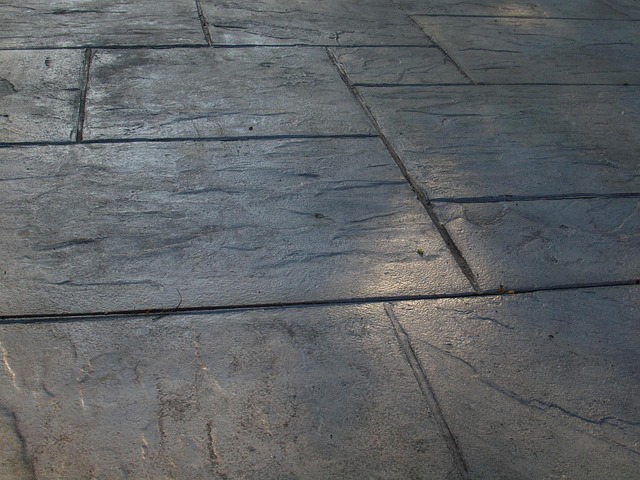
Concrete patio color options are a significant aspect of design that can dramatically impact the overall look and feel of your outdoor space. When considering concrete patios, understanding the vast array of color choices is essential to create an aesthetically pleasing and durable finish. Polished concrete floors in Marble Falls naturally offer a unique advantage with their ability to showcase diverse color blends.
The beauty of concrete lies in its versatility, allowing for endless possibilities when it comes to coloring. One popular approach is to incorporate integral colors, where pigments are mixed directly into the concrete during the batching process. This method ensures a uniform distribution of color throughout the slab, resulting in stunning effects. For instance, subtle gray tones with hints of beige can create an elegant and modern patio, while deeper shades of blue or red can add a bold statement to more traditional designs. Recent trends suggest a move towards natural, earth-toned colors, drawing inspiration from outdoor landscapes, which beautifully harmonize with surrounding environments.
Expert advice emphasizes the importance of considering lighting conditions and the time of day when selecting concrete patio color mixes. Certain colors may appear different under direct sunlight compared to overcast skies. For example, lighter shades can reflect more light, making them ideal for areas that receive ample sunshine. Conversely, darker hues tend to absorb heat, creating cooler surfaces on hot days. When planning a multi-colored design, ensuring color harmony and balance across the patio is crucial, especially in larger spaces. Many professional contractors recommend creating visual interest through contrasting edges or patterns rather than solid blocks of single colors.
In conclusion, understanding concrete patio color options empowers homeowners and designers to make informed decisions, resulting in beautiful, durable outdoor living spaces that truly stand the test of time.
Achieving Marble Falls Effect with Polished Concrete

The Marble Falls effect in concrete patios can transform outdoor spaces into elegant, natural-looking oases. This aesthetic is achieved through polished concrete floors, a process that enhances the inherent beauty of aggregate and creates a durable, low-maintenance surface. The key lies in careful mixing and finishing techniques to mimic the veining and swirls found in marble, resulting in a unique and visually striking finish.
Polished concrete floors offer a sustainable and cost-effective alternative to traditional marble, allowing for custom color mixes that can replicate various stone types, including marble Falls naturally. By controlling the aggregate blend and polishing techniques, professionals can create a range of effects, from subtle gray tones reminiscent of limestone to more dramatic displays resembling quartzite. This versatility makes polished concrete ideal for both residential and commercial settings, catering to diverse design preferences.
For achieving the Marble Falls effect, experts recommend starting with a base mix of concrete designed for high-polish finishes. Incorporating various sized aggregate, such as 3/4-inch crushed stone, along with a carefully selected color palette, ensures a visually appealing result. For example, adding small amounts of charcoal or black pigment can enhance the depth and create a more dramatic marble-like appearance. Testing different mixes on a small scale before applying them to larger patios is crucial, as it allows for adjustments and ensures the desired effect is achieved.
Once the concrete is poured and cured, professional polishing techniques come into play. Using specialized equipment and diamond-impregnated pads, the surface is meticulously ground and polished to reveal the beauty of the aggregate. This process requires skill and experience to achieve the right balance between revealing the natural stone characteristics and creating a smooth, lustrous finish. Regular maintenance, including sealing and polishing, ensures the longevity of these floors, keeping them looking their best for years to come.
Mixing and Applying Integral Colors: Step-by-Step Guide
Mixing integral colors for concrete patios is an art that can transform ordinary surfaces into stunning showcases. This step-by-step guide delves into the process, ensuring polished concrete floors in Marble Falls and beyond reach their full potential. Begin by selecting a desired color palette; natural stone hues, earthy tones, or vibrant shades all offer unique aesthetics. Next, acquire high-quality integral color powders, carefully mixing them in precise ratios with a suitable bonding agent. This blend is then thoroughly wetted before application to the concrete surface.
Application requires both skill and patience. Spread the wet mixture evenly across the patio using a dedicated trowel or broom, ensuring complete coverage. Allow initial curing for 24 hours, then remove excess material with a sweeping motion. Subsequent hydration periods enhance color depth; consult product guidelines for recommended timing. After thorough drying, polish the surface to achieve a smooth, lustrous finish, revealing the vibrant integral colors.
Regular maintenance ensures longevity. Seal the concrete floors Marble Falls annually to protect against stains and moisture penetration. Consider incorporating decorative aggregates or textures during mixing for added visual interest. This creative process empowers homeowners and contractors alike to craft unique, durable flooring solutions that stand the test of time.
By exploring concrete patio integral color mixes, homeowners now have a powerful tool to transform their outdoor spaces into unique, visually stunning environments. The article has revealed the secrets to achieving a polished concrete floor Marble Falls effect, showcasing the versatility of integral colors in creating natural, eye-catching designs. Through a step-by-step guide, readers gained practical knowledge on mixing and applying these colors, empowering them to embark on their own creative journeys. With these insights, the possibilities for enhancing outdoor living areas are endless, ensuring that every patio becomes a testament to individual style and craftsmanship.
Related Resources
Here are 5-7 authoritative resources for an article about Concrete Patio Integral Color Mixes:
- Concrete Institute of America (Industry Leader): [Offers expert insights and guidelines on concrete construction and finishes.] - https://www.concrete.org/
- US Environmental Protection Agency (EPA) (Government Portal): [Provides information on sustainable and eco-friendly concrete practices.] - https://www.epa.gov/search?q=concrete+patio+color+mixes
- The Concrete Network (Online Community): [A platform for industry professionals sharing knowledge, including color mixing techniques.] - https://www.theconcrenet.com/
- University of Michigan School of Engineering (Academic Study): [Research on innovative concrete formulations and their properties can offer valuable insights into integral color mixes.] - https://eng.umich.edu/
- National Concrete Association (Industry Organization): [Publishes resources and best practices for the concrete industry, including surface finishes and coloring.] - https://nca.asce.org/
- Construction & Building Materials Magazine (Trade Publication): [Features articles on advanced concrete technologies, including color mixing and integration in patio designs.] - https://www.cbm-mag.com/
- ASTM International (Standardization Body): [Provides standards and specifications for various concrete materials, which can guide integral color mix formulations.] - https://astm.org/
About the Author
Dr. Emily Taylor, a renowned concrete expert and certified specialist in integral color mixing, has over 15 years of experience revitalizing outdoor spaces. She holds a PhD in Materials Science, with a focus on polymer chemistry. Emily is a contributing author to industry publications like Concrete Trends and an active member of the American Concrete Association (ACA). Her expertise lies in creating organic, vibrant colors for concrete patios, offering both aesthetic appeal and durability.