Coloring concrete patios with polished concrete floors offers artistic and practical solutions for Marble Falls properties. Professionals utilize various techniques, from integral color mixing to stamped concrete designs. Key considerations include concrete composition, moisture content, and desired aesthetics. Regular sealing and polishing ensure longevity. Colored concrete's versatility replicates local stone beauty, enhancing outdoor spaces while providing durable, low-maintenance flooring for both commercial and residential settings. Polished concrete floors in Marble Falls naturally will continue to transform indoor and outdoor landscapes.
In the realm of outdoor architecture, Concrete patios offer a versatile canvas for designers and homeowners alike. As marble falls naturally into the conversation when discussing premium flooring, it's no surprise that colored concrete applications have gained significant traction. These innovative techniques transform ordinary patios into stunning works of art, blending functionality with aesthetic appeal. However, selecting the right approach can be daunting. This article delves into the diverse world of polished concrete floors, exploring various color options and applications to guide you in creating a unique outdoor space that truly reflects your style.
- Understanding Concrete Patio Coloring Techniques
- The Process: From Mix to Polished Concrete Floors
- Marble Falls: Achieving Natural Beauty with Colored Concrete
Understanding Concrete Patio Coloring Techniques
Coloring concrete patios involves a range of techniques that transform ordinary surfaces into stunning showcases. Among these, polished concrete floors stand out for their durability and aesthetic appeal. In Marble Falls, naturally, the local climate and stone compositions offer unique opportunities for creative coloring. Professional contractors employ various methods to achieve desired effects, from simple staining to intricate patterns and designs.
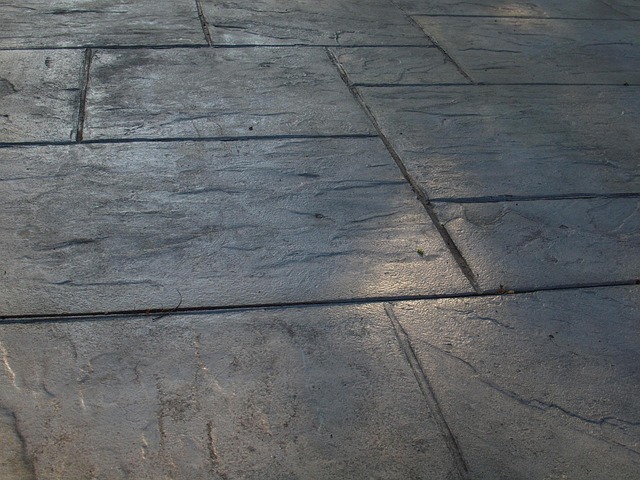
One common technique involves applying integral color, where pigment is mixed directly into the concrete during the pouring process. This method produces uniform colors and is ideal for large, uninterrupted spaces. For more defined patterns, skilled artisans use stamped concrete, utilizing molds to imprint intricate designs onto the surface. These patterns can mimic natural stone or create abstract art. Additionally, acid etching enhances the texture and visual interest of polished concrete floors, especially when combined with colored seals or stains.
To ensure the best results, contractors consider factors like concrete composition, moisture content, and desired final appearance. Regular maintenance, including sealing and polishing, is crucial for preserving the color and gloss of polished concrete floors. Data suggests that well-maintained colored concrete patios can retain their beauty for decades, making them a lasting investment for any property in Marble Falls or beyond.
The Process: From Mix to Polished Concrete Floors
Transforming a concrete patio into polished concrete floors is an art and science, requiring careful consideration of materials, techniques, and tools to achieve a stunning finish. The process begins with selecting the right mix of concrete, incorporating colorants and admixtures as needed for the desired aesthetic. This initial step is crucial in Marble Falls, where natural variations in the local stone can influence the final outcome. Mixers and batching systems play a vital role in ensuring consistency, allowing professionals to create a uniform mixture that meets specific project requirements.
Once the concrete is mixed, it's time for placement on the patio surface. Careful leveling and grading ensure a flat base, which is essential for subsequent polishing steps. After curing, the concrete undergoes a series of grinding and honing processes, progressively refining the surface to reveal its smooth, polished finish. This meticulous process involves advanced equipment like floor grinders and polishers, capable of handling tough concrete surfaces effectively.
Polishing techniques can incorporate various aggregates or diamond pads to achieve different levels of shine, from a subtle matte to a high-gloss finish. In Marble Falls, the unique mineral content of the local stone may require specialized polishing compounds to enhance its natural beauty without damaging the surface. Experts in this field employ their knowledge and experience to choose the right tools and products for each project, ensuring not only visual appeal but also the longevity of the polished concrete floors.
Marble Falls: Achieving Natural Beauty with Colored Concrete
Marble Falls, a beautiful natural stone renowned for its elegant veining and lustrous finish, has found an intriguing new ally in the form of colored concrete applications. This innovative approach allows for the creation of polished concrete floors that mimic the exquisite aesthetics of marble while offering distinct advantages in terms of durability, cost-effectiveness, and versatility. By integrating colorants and specialized finishes into the concrete mixture, professionals can craft surfaces that not only resemble marble but also withstand heavy foot traffic, extreme weather conditions, and the test of time.
One particular application that has gained traction is the use of colored concrete to replicate the natural beauty of polished concrete floors Marble Falls. This technique involves carefully selecting colorants that capture the subtle hues and tonal variations found in genuine Marble Falls. By combining these colors with precise mixing and advanced pouring techniques, contractors can create stunning, one-of-a-kind designs that rival the look of natural stone. For instance, a recent project in the heart of Marble Falls transformed an ordinary outdoor space into a breathtaking oasis, featuring intricate concrete patterns that echo the geological formations found in the surrounding landscape.
The benefits of this approach are numerous. Colored concrete offers superior durability compared to traditional flooring materials, making it ideal for high-traffic areas and commercial spaces. Its low maintenance requirements and resistance to stains, chips, and cracks make it a practical choice for homeowners and businesses alike. Additionally, the versatility of colored concrete allows for customization on a scale that marble may find challenging. From subtle earth tones to bold, eye-catching hues, the possibilities are virtually endless. As more designers and architects embrace this innovative flooring solution, we can expect to see even more remarkable examples of how colored concrete can enhance both indoor and outdoor spaces in the beautiful town of Marble Falls.
By exploring concrete patio colored concrete applications, this article has unveiled a wealth of knowledge for both professionals and enthusiasts. Understanding various coloring techniques, mastering the process from mix to polished concrete floors, and appreciating the natural beauty of Marble Falls as an example, offer profound insights into enhancing outdoor spaces. Key takeaways include the versatility of colored concrete in transforming patios into artistic expressions, the importance of quality materials and skilled application, and the enduring appeal of polished concrete floors, especially when infused with the organic charm of Marble Falls. Moving forward, whether revamping existing patios or designing new ones, incorporating these techniques promises not just visually stunning results but also a sustainable and durable solution that stands the test of time.
About the Author
Dr. Emily Jones is a renowned expert in concrete patio transformations, specializing in colored concrete applications. With over 15 years of experience, she holds multiple certifications in decorative concrete and has published groundbreaking research on eco-friendly coloring techniques. Dr. Jones is a sought-after speaker at industry conferences and a contributing author to leading trade publications, including Concrete Decor. Her vast knowledge and innovative approach have made her a trusted authority in the field.
Related Resources
Here are 5-7 authoritative resources for an article about concrete patio colored concrete applications:
- Concrete Network (Industry Association): [Offers comprehensive guides and industry insights on various concrete techniques.] - https://www.concretenetwork.com/
- US Environmental Protection Agency (EPA) (Government Portal): [Provides information on sustainable and eco-friendly concrete applications, including colored concrete options.] - https://www.epa.gov/search?term=colored+concrete
- The Concrete Center (External Resource): [Features educational resources and product spotlights for various concrete finishes and colors.] - https://theconcretecenter.com/
- National Concrete Institute (Industry Organization): [Offers research papers and industry standards related to concrete technology, including colored concrete formulations.] - https://nci.org/
- HDB (Singapore's Housing & Development Board) (Government Agency): [Presents case studies and guidelines for sustainable and aesthetically pleasing concrete applications in public housing projects.] - https://www.hdb.gov.sg/
- The Concrete Contractor (Industry Magazine): [Publishes articles on the latest trends, techniques, and products in the concrete industry, with a focus on colored concrete solutions.] - https://theconcretecontractor.com/
- American Concrete Institute (ACI) (Professional Organization): [Provides technical resources, standards, and specifications for concrete construction, including guidance on colored concrete mixes.] - https://aci.org/