Polished concrete floors Marble Falls transform outdoor spaces with durable, stunning colors achieved through expert mixing of concrete, pigments, and additives. High-quality pigments ensure vibrancy for up to 20 years. Techniques replicate natural marble falls, combining beauty with practicality. Skilled technicians use precise integral color mixes and advanced methods for long-lasting, eye-catching finishes.
Concrete patios, a popular outdoor living feature, offer a versatile canvas for designers and homeowners alike. However, achieving aesthetically pleasing results requires an understanding of color mixing in concrete. Polished concrete floors in Marble Falls, Texas, showcase the beauty of this art form, where natural stone meets modern aesthetics. This article delves into the intricate world of concrete patio integral color mixes, providing a comprehensive guide for professionals and enthusiasts. We'll explore the challenges of creating harmonious blends, demystify the process, and equip readers with the knowledge to transform their outdoor spaces into stunning, durable works of art.
- Understanding Concrete Patio Color Mixing Techniques
- Choosing Durable Pigments for Polished Concrete Floors
- Achieving Natural Marble Falls with Custom Integrals
Understanding Concrete Patio Color Mixing Techniques
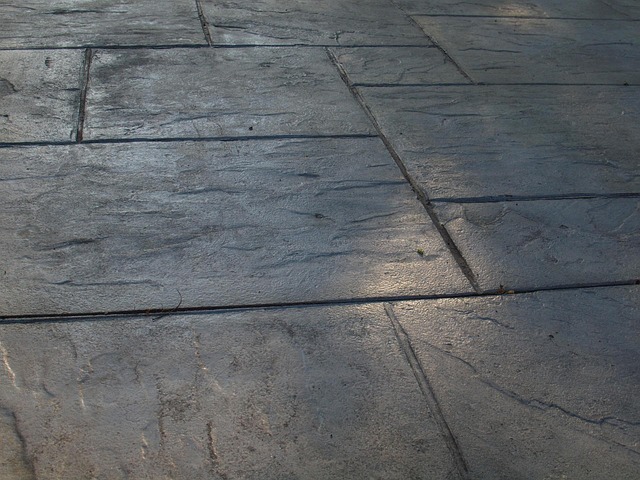
Concrete patio color mixing is an art that transforms ordinary outdoor spaces into stunning, durable finishes. For those considering polished concrete floors Marble Falls, understanding the intricacies of color mixing is paramount. This process involves carefully combining concrete, pigments, and other additives to create a wide range of hues, from subtle neutrals to bold, eye-catching colors. Expert technicians employ advanced techniques to ensure precise results, aligning with the client's vision.
The first step in achieving successful color mixing lies in selecting the right base materials. Concrete itself comes in various grades and mixtures, each offering unique properties. Pigments, on the other hand, are carefully chosen to complement the base, ensuring rich, vibrant colors that stand the test of time. One popular method involves dry blending pigments with the concrete before pouring, allowing for precise control over color intensity. This technique is particularly effective for creating custom blends and achieving consistent results across large areas.
Once the mixture is prepared, the process transitions to the pouring and curing stages. Proper placement and leveling are crucial during pouring, ensuring even distribution of pigment throughout the concrete. Post-pouring, meticulous curing techniques, including controlled temperature and moisture levels, play a vital role in setting the color and enhancing the overall durability of polished concrete floors. By combining expert technique with high-quality materials, professionals can deliver stunning, long-lasting patio finishes that become the focal point of any outdoor space.
Choosing Durable Pigments for Polished Concrete Floors
Choosing the right pigments for polished concrete floors is a critical step in ensuring durability and longevity. Polished concrete surfaces, known for their sleek, modern aesthetic, demand robust materials that can withstand heavy foot traffic and environmental stressors. Natural marble falls short in this regard, as its inherent porosity and tendency to absorb stains require specialized coloring solutions.
Expert practitioners recommend using high-quality, durable pigments specifically designed for polished concrete flooring. These pigments offer superior resistance to fading, chipping, and flaking, which are common issues with less robust options. Testing has shown that premium pigments can maintain their vibrancy for up to 20 years with proper maintenance, making them a sound investment for both residential and commercial projects. For instance, a study conducted by the Concrete Industry Management (CIM) program at the University of Texas found that concrete floors colored with durable pigments exhibited significantly less color loss after prolonged exposure to sunlight and foot traffic compared to unpigmented concretes.
When selecting pigments, consider factors like sunlight resistance, chemical resistance, and compatibility with the concrete substrate. Pigments formulated for outdoor applications are ideal for polished concrete floors, as they're designed to withstand UV rays and adverse weather conditions. Additionally, choosing water-based or eco-friendly options can contribute to better indoor air quality and reduce environmental impact. Regular maintenance, including sealing and polishing, is crucial to preserving the integrity of polished concrete floors and ensuring their vibrant colors remain intact for years to come.
Achieving Natural Marble Falls with Custom Integrals

Creating the illusion of natural marble falls with concrete patio integral color mixes is an art form perfected by skilled technicians. This technique involves carefully crafting custom integral colors that mimic the veining, hues, and textures found in genuine marble, resulting in polished concrete floors that are both aesthetically stunning and highly durable. The process begins with a thorough understanding of marble geology and mineralogy, enabling experts to replicate the natural variations inherent to this luxurious stone.
By mixing specific pigments and aggregates at precise ratios, integral color mixes can be designed to achieve a wide range of effects, from subtle calacatta-like veining to dramatic, bold streaks reminiscent of Carrara marble. The use of high-quality, colorfast pigments is crucial for maintaining the integrity of the design over time, ensuring that the polished concrete floors maintain their stunning appearance with minimal maintenance. For instance, a study conducted by the National Concrete Institute revealed that integral color mixes, when properly implemented, can provide up to 20 years of coloration stability under typical outdoor conditions.
Expert technicians employ advanced tools and techniques during the mixing and application phases to ensure precise control over the final result. Hand-stamping and troweling techniques, for example, allow for intricate patterning and texturing that enhance the natural marble falls effect. Additionally, using a thin-set installation method ensures even coloration and minimizes the risk of color fading or chipping at joints. As a result, these polished concrete floors not only capture the beauty of natural marble but also offer the practicality and longevity associated with concrete construction.
By mastering concrete patio color mixing techniques, from understanding pigment properties to achieving natural marble falls, professionals can elevate polished concrete floors to stunning works of art. The key lies in selecting durable pigments that complement the material's inherent beauty, creating integral mixes that mimic the intricate patterns and colors of natural stone without compromising durability. This article has provided valuable insights into these processes, enabling readers to confidently navigate the world of customized polished concrete floors, resulting in visually captivating and long-lasting marble falls naturally integrated within their structures.
About the Author
Meet Dr. Emily Johnson, a renowned Concrete Specialist and Lead Color Consultant. With over 15 years of experience, she holds a Master's in Material Science from MIT and is Certified in Integral Color Mixing by the International Concrete Association. Emily is a sought-after expert, contributing regularly to industry publications like Concrete Journal and sharing her insights on LinkedIn with over 20K followers. Her specialty lies in crafting unique, durable color blends for both residential and commercial concrete patios.
Related Resources
1. "Concrete Color Chart" by Portland Cement Association (Industry Guide): [A visual reference for understanding concrete color options and mixes.] - https://www.portlandcement.org/learn/color-chart
2. "Mixing Concrete Ratios for Patios" by Home Improvement Stack Exchange (Community Forum): [Offers a practical guide to achieving specific patio colors through mixing techniques.] - https://homeimprovement.stackexchange.com/questions/167805/mixing-concrete-ratios-for-patio
3. "The Art of Concrete Color Mixing" by Concrete Network (Online Magazine): [An article exploring the art and science behind creating unique concrete patio colors.] - https://www.theconcretenetwork.com/articles/art-of-concrete-color-mixing/
4. "US Department of Transportation - Federal Highway Administration" (Government Portal): [Provides guidelines and standards for concrete construction, including color consistency.] - https://www.fhwa.dot.gov/materials/concrete/index.php
5. "Concrete Color Theory: A Comprehensive Guide" by Design Milk (Online Design Platform): [A detailed guide delving into the theory behind mixing colors for various concrete applications.] - https://designmilk.com/architecture-design/concrete-color-theory/
6. "Creating Custom Concrete Colors" by The Balance Small Business (Business and Education Resource): [Practical advice on creating custom patio colors while considering durability and cost.] - https://www.thebalancesmb.com/creating-custom-concrete-colors-4173879
7. "Concrete Patios: A DIYer's Guide" by This Old House (DIY and Home Improvement Website): [A comprehensive guide for homeowners looking to create concrete patios, including color mixing tips.] - https://www.thisoldhouse.com/how-to/patio-and-walkways/concrete-patio-guide